

Federal Tax Credit

Welcome to Electric Savings
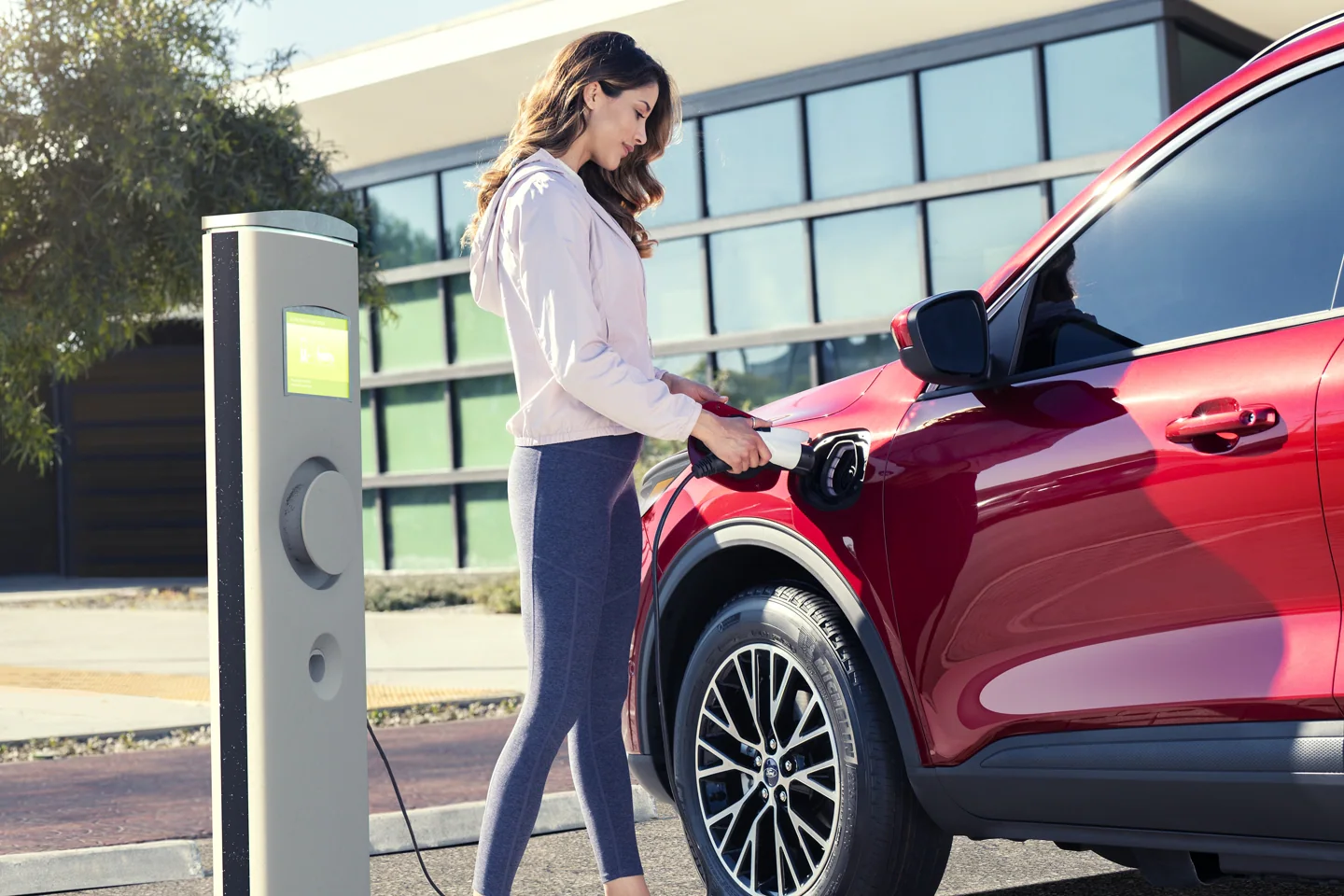
Dive into 2024 Federal EV Tax Credits
Thrilling moments await as we navigate towards a future of renewable energy! As we enter 2024, we're greeted by increased government tax incentives for electric vehicles (EVs), providing you with the opportunity to benefit the planet and your wallet. Are you prepared to energize your daily travel? Let's dive into the specifics!
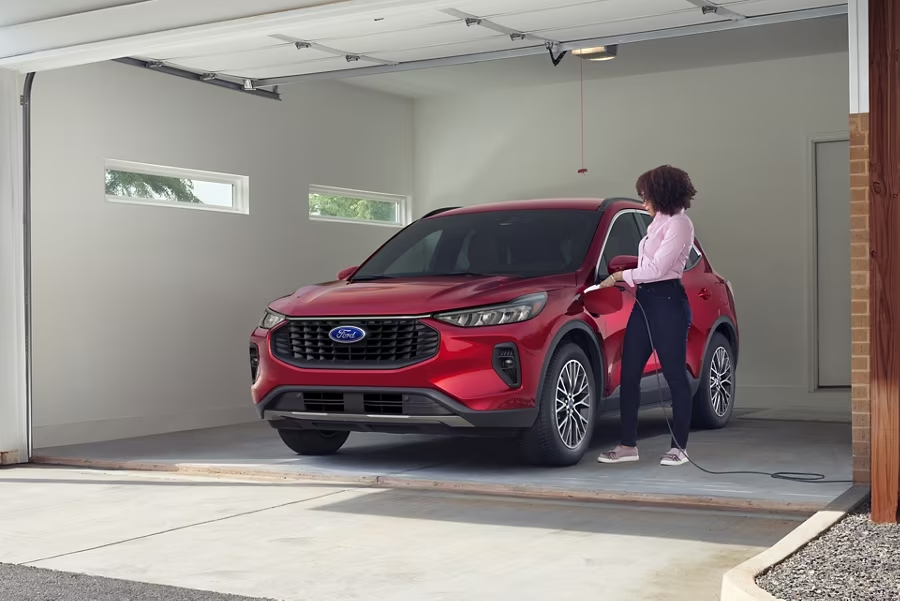
Your Guide to Going Green and Saving Big
Embracing a sustainable way of living offers unparalleled benefits! Thanks to the most recent government incentives for electric vehicles, choosing an environmentally friendly path can also lead to financial savings. These benefits aim to lower the barriers to electric vehicle ownership, making it economical and promoting participation in the push towards eco-consciousness. Prepare to energize your understanding of how these rebates can result in substantial cost reductions and a more modest environmental impact!
Understanding Your Eligibility
Assessing If You Qualify for EV Tax Credits
Figuring out if you qualify for electric vehicle tax deductions is simpler than it may appear. To start, the car you're considering must be either an electric or a plug-in hybrid with a minimum battery capacity of 5 kWh, and it has to be brand new. Also, its primary use should be in the United States. For details on particular deductions, it's important that the manufacturer hasn't exceeded sales of 200,000 eligible vehicles, so make sure to verify this information. Keep in mind that these benefits vary and they will become specific to each vehicle's VIN starting in 2024. Make it a point to stay updated with the most current data to guarantee you're on the correct path to eco-friendly discounts!
Income Limits and Other Requirements for Savings
Regarding eligibility for electric vehicle tax incentives, your earnings are a crucial factor. The income parameters are specific: joint filers who are married can earn up to $300,000, heads of households up to $225,000, and all other taxpayers up to $150,000. However, resist the temptation to make assumptions solely based on your wage. Your focus should be on your Modified Adjusted Gross Income (MAGI) — glance over at Line 11 on your tax Form 1040, because this number is what really matters.
Here's an insider tip: contributing to a 401(k) or equivalent retirement plans might reduce your MAGI below the prescribed income caps, potentially qualifying you even if your regular salary implies you wouldn't. Additionally, it's imperative that the vehicle is purchased for your own use and within the confines of the United States. These conditions are unwavering, and a thorough verification could be the key to claiming those tax benefits or forfeiting them.
Making the Right EV Choice
Navigating the List of Qualified Vehicles
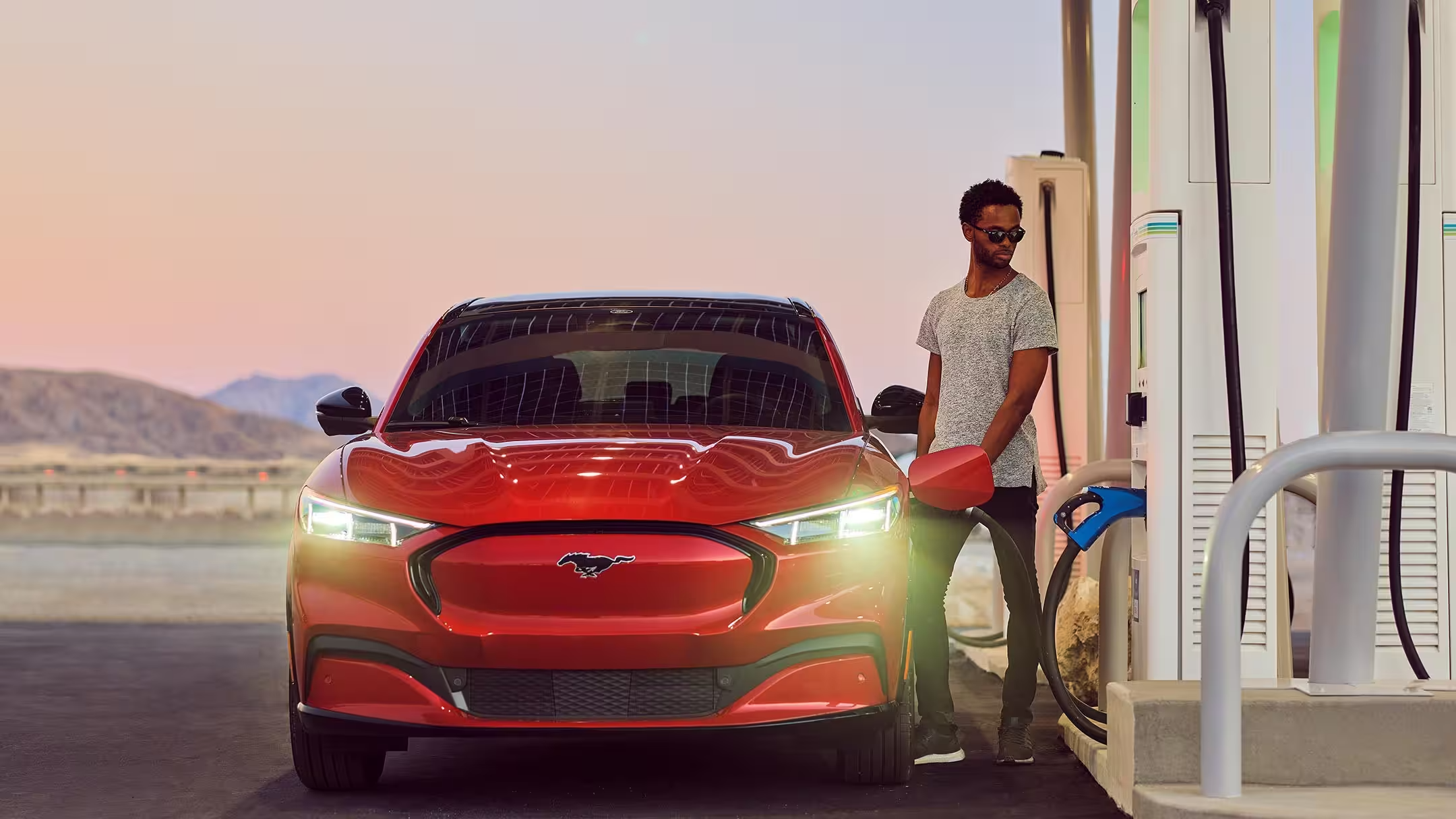
Accelerating into the high-speed track of owning an electric vehicle entails understanding which models will secure you the sought-after tax incentive. This terrain is constantly evolving, as the roster of eligible automobiles shifts annually. Producers are rapidly adapting to the updated regulations in order to regain their spot on the list of qualified cars, so it's important to stay alert to the latest changes!
How Price Caps Influence Your Tax Credit Potential
On the journey towards obtaining electric vehicle tax incentives, a critical checkpoint lies at the threshold of the price limit. This limit, a predetermined maximum price for vehicles to be eligible, ensures that not all electric vehicles will qualify for tax credits, regardless of their energy-saving capabilities. The purpose of these limits is to confirm that the tax credits are primarily accessible for electric vehicles that are priced within a moderate range, thereby catering to a broad spectrum of buyers. In the year 2024, newly manufactured electric vehicles must adhere to a set price ceiling in order to be eligible for tax deductions, effectively putting high-end luxury models out of consideration for many consumers looking to capitalize on these credits. It is essential to stay informed about these price limits while shopping, as they play a crucial role in calculating the amount of credit you can reclaim for your finances.

From Purchase to Tax Time: A Step-by-Step Guide
Navigating from the moment you acquire your new battery-powered vehicle to the point where you can lay claim to your tax incentive involves a sequence of noteworthy steps. Consider this your navigational guide:
1. Acquire a Qualified Car: Confirm that the electric vehicle you're eyeing is included on the approved list and complies with the established price ceiling.
2. Gather Required Documents: Keep all relevant documents, such as the sales invoice and the Manufacturer's Certification Statement, which verifies your car's qualification for the incentive.
3. Verify with the Seller: Double-check that the seller is recognized by the IRS. They typically take care of the tax credit promptly, presenting it as a rebate or immediate savings during the purchase. Secure copies of the sales contract and IRS verification for your personal files.
4. Submit Your Tax Return: Remember that you must attach the tax credit forms to your tax submission. Maintain meticulous records; any errors in filing may result in having to reimburse if there are changes in your situation during the year.
5. Stay Alert to Changes: Keep an eye out for any additional instructions from the IRS that could have implications for your tax situation, particularly if you're nearing the limits of the income brackets.
Keep in mind, owning an electric vehicle is a journey that entails a commitment to ecological responsibility and economic acumen. Steer this course effectively, and you will be at the forefront of advancing a more pristine tomorrow while reaping monetary advantages!
Leasing vs. Owning: What Affects Your Credit?
Choosing to lease or buy an electric vehicle (EV) has distinct implications for your eligibility for tax incentives. In the case of a lease, the tax incentive is passed on to the leasing entity since they are the recognized proprietors of the car. Frequently, they allocate the incentive's value to diminish your monthly leasing charges, leading to immediate cost reductions for you.
On the other hand, if you decide to purchase an EV, you retain the tax credit, provided you meet the qualifying criteria. As an owner, you would claim this credit when you submit your annual tax returns, rather than at the moment of the vehicle's acquisition.
It's important to note that leasing may include limitations on the number of miles you can drive and does not result in vehicle ownership after the lease period ends. In contrast, when you buy, the vehicle becomes entirely yours after completing the payments. Each choice presents its own set of advantages and drawbacks; hence, it's crucial to carefully evaluate them to determine which option best propels your financial wellbeing and lifestyle.
State Incentives That Sweeten the Deal
Looking beyond the scope of national benefits, exploring the incentives offered by your state can be akin to discovering a cache of cost-saving benefits and advantages. For instance, in certain states, a motorist may be granted the privilege of using the high-occupancy vehicle lanes with a unique permit, while in others, they may accumulate as much as $2,000 in state rebates, which is in addition to any federal tax credits they receive.
However, it's important to note that some states have restrictions on claiming both federal and state benefits concurrently, so it's vital to understand the specifics before you benefit from these eco-friendly subsidies. Ensure that you consult your state's Department of Motor Vehicles or the relevant sustainable energy programs to get a comprehensive rundown of the available perks—such as rebates for electric vehicles, tax reductions, funding for installing charging equipment at home, or even discounts on your energy bills.
Remember to revisit this information periodically as these benefits can increase or decrease based on amendments in governmental policies. By leveraging the appropriate combination of national and state-level benefits, you could find yourself on the route to substantial monetary savings swiftly!
The Future of EVs: More Than Just Tax Savings
Fix your gaze on the distant future—beyond mere monetary discounts, electric vehicles glint with the promise of a new era. As an increasing number of automakers pivot to electric production, we are seeing an ever-expanding variety of EVs, encompassing everything from family sedans to robust trucks, poised to invigorate the consumer market and cater to diverse driving preferences.
Moreover, the proliferation of public EV charging facilities is on the rise, paving the way for extended journeys and more practical longer-distance commuting. These strides, in tandem with breakthroughs in battery performance, herald longer driving ranges and curtailed charging durations—crucial factors for widespread acceptance.
Bear in mind, your choice to purchase an EV transcends mere economic perks; it represents a commitment to a greener, more sustainable future where our means of transport exists in harmony with nature. Therefore, as you contemplate becoming part of the electric revolution, consider the enduring effects not just on your wallet but also on the earth's wellbeing!
Who Qualifies For The 2024 Federal EV Tax Credit?
In the year 2024, the federal government offers an electric vehicle (EV) tax credit to those who buy a brand-new EV that meets certain criteria, as long as their modified adjusted gross income (MAGI) stays below $150,000 for single taxpayers, $225,000 for those filing as head of household, or $300,000 for couples filing jointly. It's important to note that the vehicle must be intended for private use and conform to particular standards related to battery size and the location of its production.
Which Vehicles Are Eligible for the EV Tax Credit in 2024?
The qualifying roster for electric vehicle tax incentives in 2024 is a thoughtfully assembled directory that the IRS regularly refreshes. To discover the most recent selection, automobiles must satisfy requirements such as:
- Possess a minimum energy storage capability of 7 kWh
- Feature a total vehicle weight limit not exceeding 14,000 pounds
- Be produced by an authorized automotive maker.
- It's important to mention that for eligibility, fuel cell automobiles are not required to originate from an authorized maker.
Can I Still Get a Credit If I Lease an EV?
Indeed, in the case of leasing an electric vehicle, the tax incentive is granted to the leasing firm, yet they commonly transfer the economic benefit to you, resulting in reduced monthly leasing rates. Nevertheless, the incentive is not directly assigned to individuals who lease, and conditions may differ. It's crucial to verify that the lease agreement shows the credit as a reduction or cash-back offer on your behalf.
How Do I Actually Claim My EV Tax Credit?
To claim your EV tax credit, follow these electric steps: when you file your federal income tax return, complete and attach Form 8936, Qualified Plug-in Electric Drive Motor Vehicle Credit. You'll need to provide key details such as your vehicle's make, model, VIN, and the date of purchase. Ensure you have the proper documentation from your vehicle purchase to back up your claim. Get the wheels rolling at tax time, and you'll cross the finish line with potential savings!
Important Requirements
Final-Stage Assembly Requirement
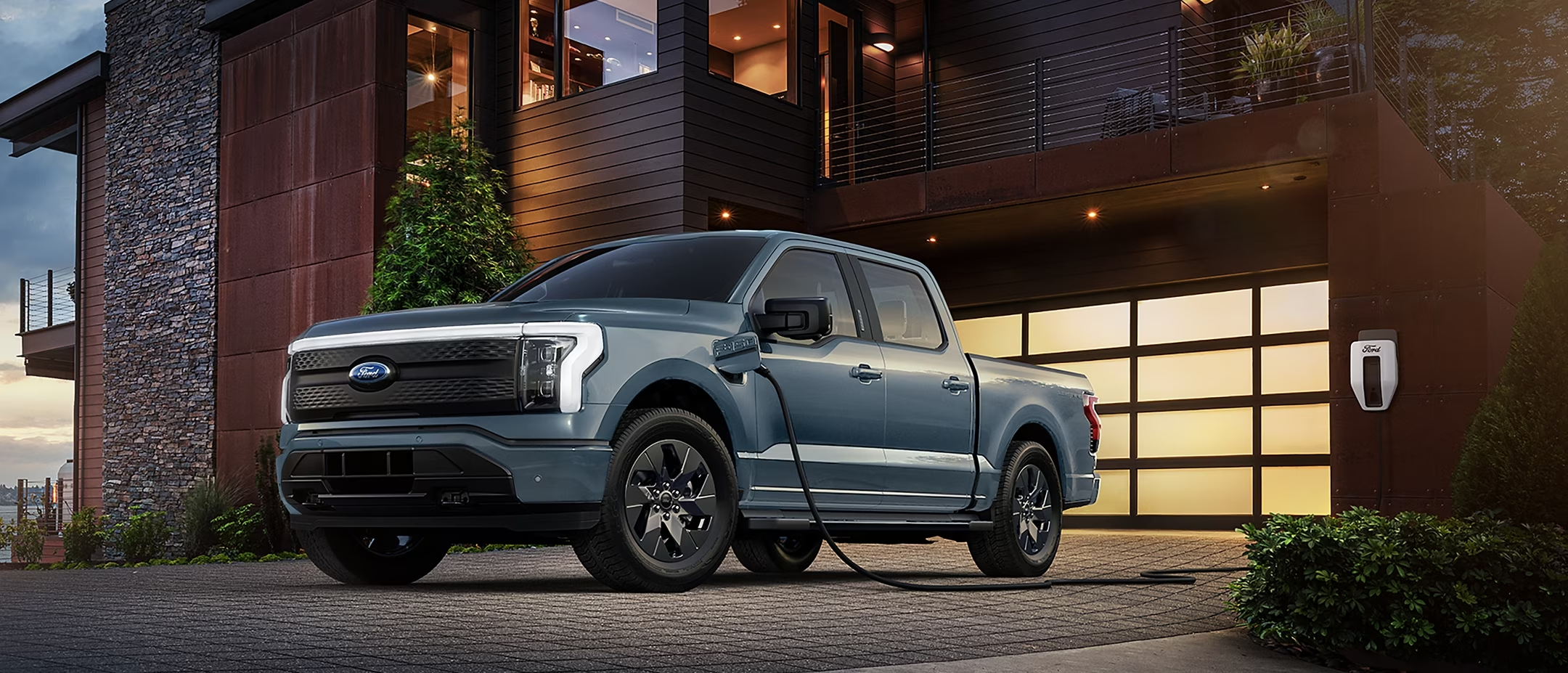
The vehicle must be ultimately put together within the boundaries of North America.
The car's window sticker offers information including the car's mass, the size of its power cell, the final assembly location (marked as the "final assembly point"), and the Vehicle Identification Number (VIN).
To confirm that a specific car meets the final assembly location requirements, go to the Department of Energy's Electric Vehicles with North American Final Assembly page and use the VIN Decoder tool located in the "Specific Assembly Location Based on VIN" area.
Critical Minerals and Battery Component Requirements
Starting on April 18, 2024, the credit amount for vehicles put into use (received by the customer) will be based on whether they meet the critical minerals procurement and/or battery component sourcing standards. A vehicle that meets both sets of standards could be eligible for the full credit of $7,500, while a vehicle that only meets one standard may qualify for a half credit of $3,750. On the other hand, vehicles that fail to satisfy either standard will be ineligible for any credit.
In some situations, it may be required to engage with your car dealer to determine the particular vehicle's qualification status and the credit amount that may be applicable.
The recommended retail price set by the vehicle's manufacturer must not surpass:
- $80,000 for vehicles classified as vans, SUVs, and pickups
- $55,000 for all other types of vehicles
The Manufacturer's Suggested Retail Price (MSRP) is the primary cost set forth by the car manufacturer, which includes the recommended retail cost for additional customizations or optional elements applied to the vehicle prior to its transfer to the dealership. This amount does not include expenses related to delivery, costs for optional enhancements added by the dealer, or any applicable taxes and charges. Moreover, rebates offered by either the manufacturer or dealership and the worth of any trade-in vehicles are not reflected in the MSRP.